

Hair removal through waxing has been a popular beauty treatment for decades. When done correctly, waxing leaves your skin smooth and hair-free for weeks. However, improper technique can lead to pain, irritation, or poor results. This guide will walk you through the proper way to apply wax for the best outcome.
Before you start, know that there are two main types of wax: hard wax and soft wax.
Hard wax hardens on its own and is removed without strips. It’s gentler on the skin and works well for sensitive areas like the face, underarms, and bikini line. This type grips the hair rather than the skin, making it less painful.
Soft wax requires cloth or paper strips for removal. It’s effective for larger areas like legs and arms. While it removes hair efficiently, it also pulls on the skin slightly, which can cause more discomfort.
Choose the right wax type based on the area you’re treating and your pain tolerance.
Proper preparation makes a huge difference in your waxing results.
Hair Length Matters
Your hair should be about a quarter inch long, roughly the length of a grain of rice. This gives the wax enough hair to grip without being so long that removal becomes more painful. If your hair is too short, the wax won’t catch it properly. If it’s too long, trim it with scissors before waxing.
Clean and Dry Skin
Wash the area you plan to wax with gentle soap and water. Remove any lotions, oils, or makeup completely. These products create a barrier between the wax and your hair, reducing effectiveness.
Dry your skin thoroughly. Wax won’t adhere properly to damp skin. You can also apply a light dusting of baby powder or cornstarch to absorb any remaining moisture and oils.
Exfoliate First
A day or two before waxing, gently exfoliate the area. This removes dead skin cells and helps prevent ingrown hairs. Don’t exfoliate on the same day as waxing, as this can make your skin more sensitive.
Temperature is critical for safe and effective waxing.
If you’re using a wax warmer, heat the wax according to the product instructions. Test the temperature on your wrist before applying it to the area you want to wax. The wax should feel warm and comfortable, never hot or burning.
Wax that’s too hot can burn your skin and cause serious injury. Wax that’s too cool won’t spread properly and won’t grip the hair effectively. The ideal consistency is similar to honey – smooth and spreadable but not runny.
For soft wax application, follow these steps carefully.
Apply in the Direction of Hair Growth
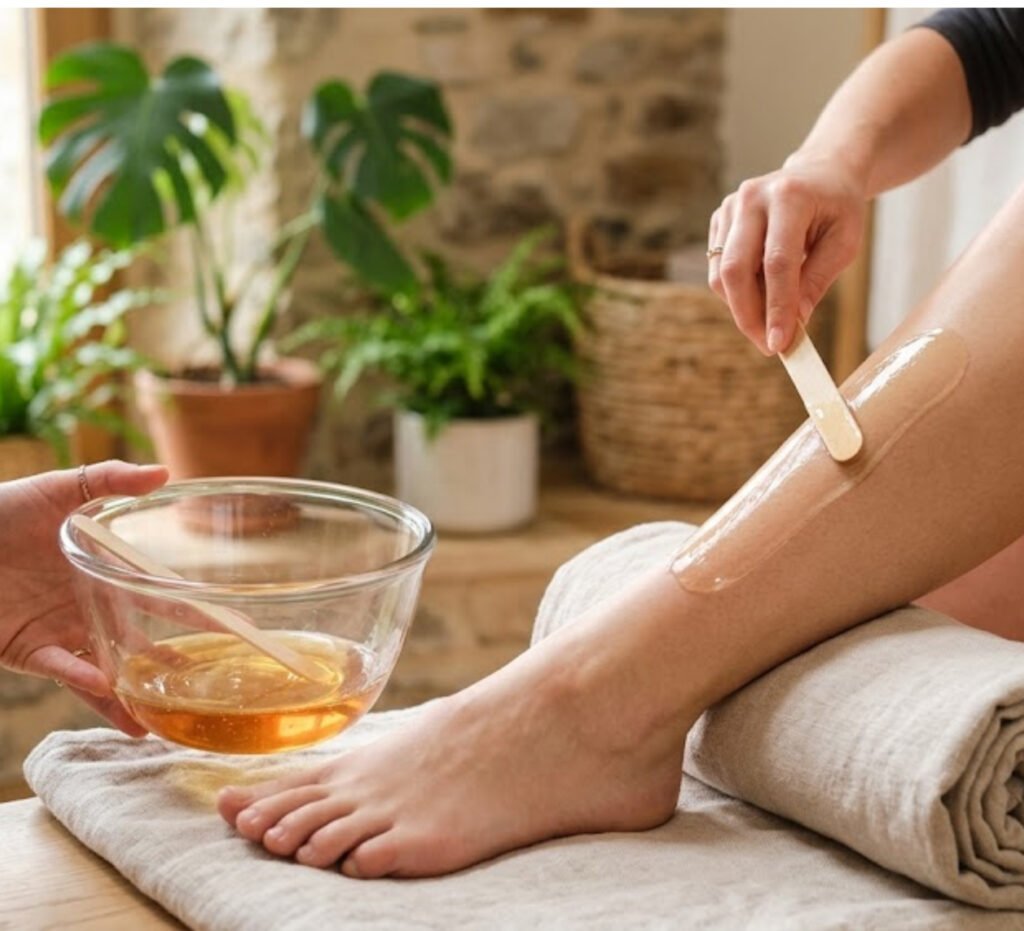
Using a wooden spatula or applicator, spread a thin, even layer of wax in the direction your hair grows. The layer should be thin enough to see through slightly but thick enough to grip all the hairs. Going against the hair growth during application will make removal less effective.
Place the Strip
Immediately press a cloth or paper strip firmly onto the wax. Smooth it down several times in the direction of hair growth, making sure it adheres completely to the wax.
Remove Quickly
Hold your skin taut with one hand. With your other hand, grip the end of the strip and pull it off quickly in the opposite direction of hair growth. Pull parallel to the skin, not upward. The faster you pull, the less it hurts and the better the results.
Hard wax requires a slightly different technique.
Apply a Thicker Layer
Spread the hard wax in the direction of hair growth, but apply it thicker than you would soft wax. The edges should be slightly thicker to create a tab you can grip for removal.
Wait for It to Harden
Let the wax cool and harden for twenty to thirty seconds. It should feel firm but still flexible when you touch it. It shouldn’t be completely hard or brittle.
Remove Without Strips
Hold the skin taut and grip the thicker edge of the wax. Pull it off quickly in the opposite direction of hair growth, keeping your hand close and parallel to the skin.
What you do after waxing is just as important as the application itself.
Soothe the Skin
Apply a cold compress or aloe vera gel to calm any redness or irritation. Avoid hot showers, saunas, or intense exercise for twenty-four hours, as heat can irritate freshly waxed skin.
Moisturize Daily
Keep the waxed area moisturized with a gentle, fragrance-free lotion. This helps prevent dryness and keeps your skin smooth.
Prevent Ingrown Hairs
Exfoliate gently two to three times per week starting a few days after waxing. This prevents dead skin from trapping new hair growth under the surface.
Avoid Sun Exposure
Stay out of direct sunlight for at least twenty-four hours after waxing. Freshly waxed skin is more sensitive to UV damage. If you must go outside, apply sunscreen.
Don’t apply wax to the same area more than twice. Repeated waxing of the same spot causes skin damage and excessive irritation.
Never wax over cuts, wounds, sunburned skin, or areas with active breakouts. This can worsen these conditions and increase infection risk.
Don’t apply lotions or oils immediately before waxing. These create barriers that prevent proper wax adhesion.
If you’re waxing sensitive areas like the face or bikini line for the first time, consider seeing a professional. They can show you proper technique and help you avoid mistakes that could cause pain or skin damage.
Proper waxing technique takes practice. Your first few attempts might not be perfect, and that’s normal. Follow these steps carefully, be patient with yourself, and your results will improve with experience. Remember that good preparation and proper aftercare are just as important as the waxing process itself.